


We are the Australian Energy Council
Latest Analysis
Ireland’s Green Energy Rule: What Can Australia Learn From Its Approach to Data Centres?
A recurring theme at the Australian Energy Council’s inaugural Energy2050 Conference was the challenge of managing the rapid growth of data centres and their increasing electricity demand. While data centres present a significant economic opportunity for Australia, policymakers are grappling with how to support investment while minimising impacts on customers, the electricity system, and emissions. We take a look at Ireland’s recently introduced data centre policy and explore the lessons it may offer for Australia.
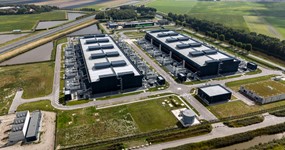
Conference highlights: Shared vision, Real challenges
The Australian Energy Council’s inaugural Energy2050 Conference brought together industry leaders, policymakers and experts to discuss the opportunities and challenges shaping Australia’s energy transition. While there was broad consensus on the direction of the future energy system, speakers highlighted the significant investment, infrastructure and policy challenges that must be addressed to deliver it successfully. Read more.
One week to go: the conversations set to shape the AEC’s inaugural conference
There’s only one week to go until the Australian Energy Council’s inaugural conference, Energy2050: Mapping the Way Forward, and in a crowded calendar of energy events, we wanted to create something different. Rather than focusing on politics and headlines, Energy2050 will bring together the people tasked with actually delivering the transition to explore the practical reforms, technologies and market settings needed to build a reliable, affordable and lower-emissions energy system. With senior leaders from across generation, retail, networks, investment, consumer advocacy and technology, the conference is designed to spark the conversations the sector should be having right now. So, why should you come? Here’s what we think sets Energy2050 apart.
From Energy to Flexibility: Rewiring Australia’s Wholesale Markets for Net Zero
Australia’s path to net zero will depend not only on new technologies, but on fundamentally reshaping the markets that underpin the energy system. As coal exits, renewables, storage and consumer energy resources will drive a far more dynamic and decentralised National Electricity Market, where flexibility becomes the critical commodity. We explore the market reforms, investment signals and system changes required to deliver a secure, affordable and reliable Energy2050 future, themes that will also sit at the centre of the Australian Energy Council Conference 2026 in Sydney on 4 June.
Australian Energy Council members have access to a range of industry benefits and services.
Latest News
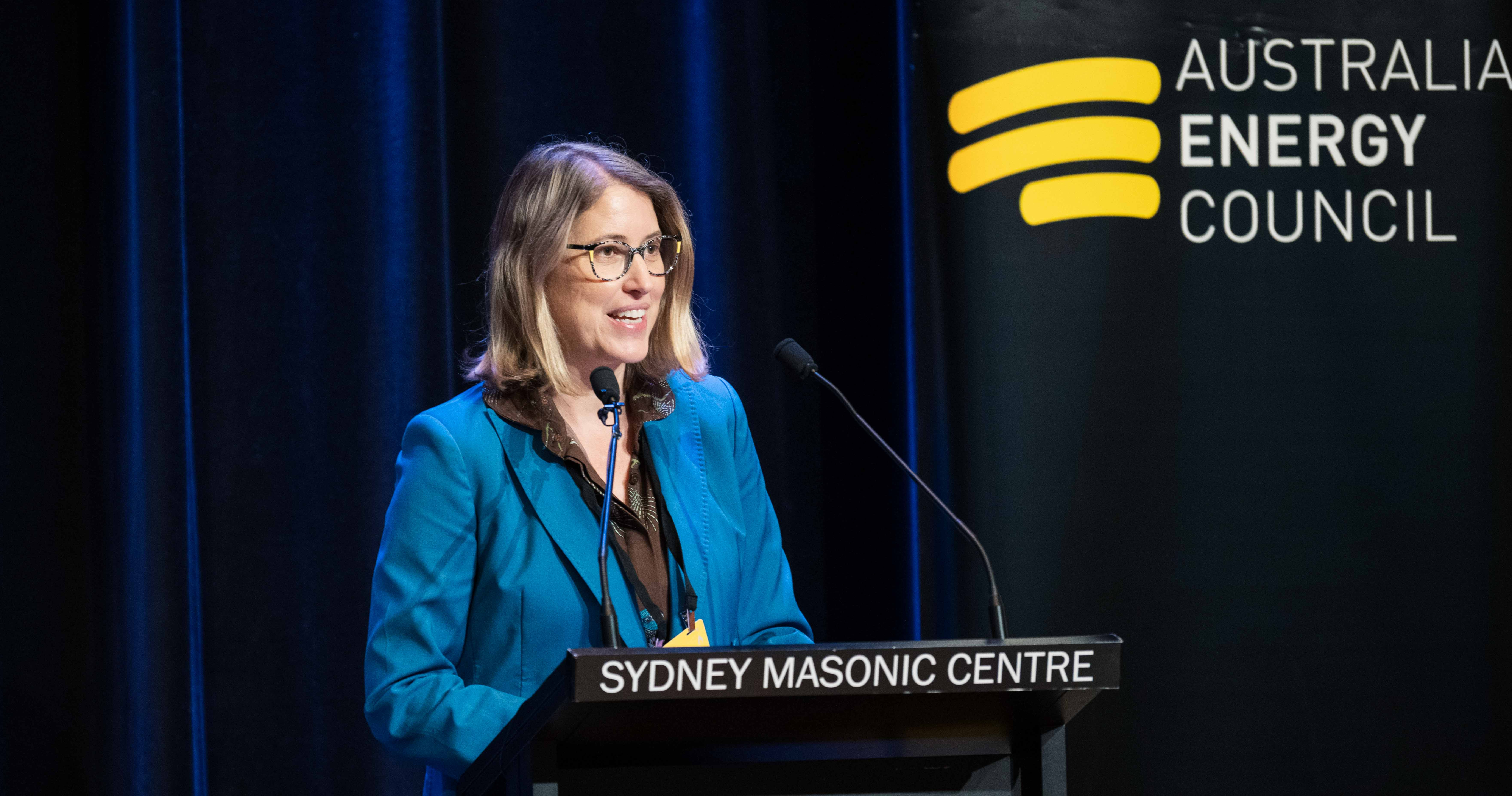
AEC CEO Opening Remarks - Energy2050: Mapping the Way Forward
Good morning, and it's great to see you all here today for the AEC's inaugural conference, Energy2050: Mapping the Way Forward.

Latest Reports
Affordability Action Agenda 
This report needs an abstract so content appears here lorem ipsum dolor sit amet, consectetur adipiscing elit, sed do eiusmod tempor incididunt ut labore et dolore magna aliqua. Ut enim ad minim veniam, quis nostrud exercitation ullamco laboris nisi ut aliquip ex ea commodo consequat. Duis aute irure dolor in reprehenderit in voluptate
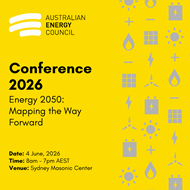
Conference 2026 - Program
The inaugural Australian Energy Council Conference 2026 is the AEC's flagship national event which will bring together senior leaders from across Australia’s energy landscape to explore the future of the energy system. Under this year’s theme, Energy2050: Mapping the Way Forward, the Conference will examine the opportunities, challenges and innovations shaping Australia’s transition over the next quarter century. Click here to see the conference's program.
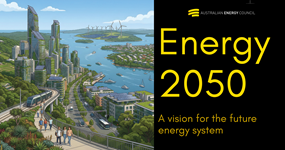
Energy2050 - NEM
Today, we are pleased to publish an important report for the Australian Energy Council and the energy industry. Energy2050 is intended to be a vision statement, providing a practical illustration of what it will take to deliver a net zero energy system while balancing affordability, reliability and sustainability.
Energy2050 - SWIS
Today, we are pleased to publish an important report for the Australian Energy Council and the energy industry. Energy2050 is intended to be a vision statement, providing a practical illustration of what it will take to deliver a net zero energy system while balancing affordability, reliability and sustainability.
Latest Submissions
-
Submissions I PDF
NSW Data Centres Consultation Paper
-
Submissions I PDF
Evidence Platform Issues Paper
Send an email with your question or comment, and include your name and a short message and we'll get back to you shortly.
But I must explain to you how all this mistaken idea of denouncing pleasure and praising pain was born and I will give you a complete account. #Exercitation #IIamc
But I must explain to you how all this mistaken idea of denouncing pleasure and praising pain was born and I will give you a complete account of the system, and expound the actual teachings of the great explorer. #Exercitation #IIamc
But I must explain to you how all this mistaken idea of denouncing pleasure and praising pain was born and I will give you a complete account. #Exercitation #IIamc
But I must explain to you how all this mistaken idea of denouncing pleasure and praising pain was born and I will give you a complete account of the system, and expound the actual teachings of the great explorer. #Exercitation #IIamc
But I must explain to you how all this mistaken idea of denouncing pleasure and praising pain was born and I will give you a complete account. #Exercitation #IIamc